


Costa Rica: Poll Shows Ruling Party Candidate Leads Presidential Race

Closing of the presidential campaigns in Costa Rica, Jan. 25, 2026. X/ @realidades_ni
January 28, 2026 Hour: 10:33 am
🔗 Comparte este artículo
Nevertheless, current trend could change radically if 26% of undecided voters went to the polls.
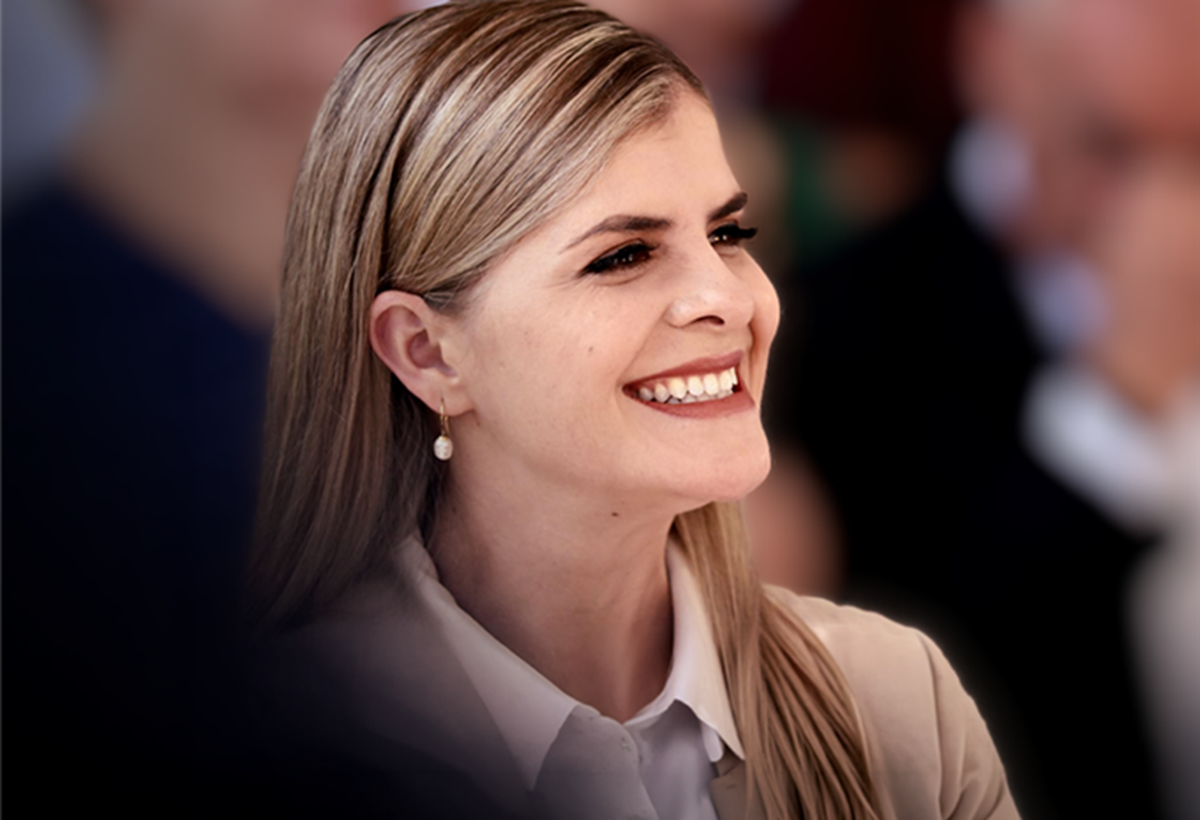
On Wednesday, the University of Costa Rica’s Center for Research and Political Studies (CIEP) published a poll showing Laura Fernandez, the candidate of the right-wing Pueblo Soberano Party, as the winner of the Feb. 1 presidential election.
RELATED:
Tourism to Costa Rica Has Declined Since 2019
“Laura Fernandez, the ruling party’s candidate, leads voter preferences with 44% support, which would ensure a first-round victory,” CIEP said.
In Costa Rica, where consecutive reelection is not allowed, a candidate must receive more than 40% of the valid votes to win in the first round. This has not happened since the 2010 election, when Laura Chinchilla of the National Liberation Party won. So far, she remains the only woman to have reached the presidency of this Central American country.
Fernandez, 39, a political scientist and public policy expert, has presented herself during the campaign as the “heir” to President Rodrigo Chaves, who will complete his four-year term on May 8. During his administration, Chaves has enjoyed high approval ratings for his rhetoric against corruption and the political elite.
The ruling party candidate has followed the same policy line as the Chaves administration, promising a tough approach to crime and organized crime.
She has also announced plans to push for a state of emergency in specific parts of the country to fight drug trafficking and contract killers — a proposal opposition parties have described as authoritarian.
The CIEP poll, conducted between Jan. 20 and Jan. 26 among 1,501 respondents, gives 9% voting intention to Alvaro Ramos, the candidate of the social democratic National Liberation Party, and to Claudia Dobles, a former first lady and member of the center-left Citizen Agenda Coalition.
Educator Ariel Robles of the leftist Broad Front follows with 4% support, while the remaining 16 registered candidates in the race each post figures below 3%.
CIEP warned that the number of undecided voters, at 26%, is significant and could have a major impact if they ultimately turn out to vote.
“They could tilt the electoral balance toward strengthening the ruling party’s advantage or increasing support for opposition candidates,” CIEP said.
On Feb. 1, an estimated 3.7 million Costa Ricans are expected to go to the polls to elect the country’s president and the 57 members of Congress for the 2026–2030 term.
teleSUR/ JF
Source: EFE